KIT-02 / BANK
Best Bank Account for Foreigners in Japan (2026)
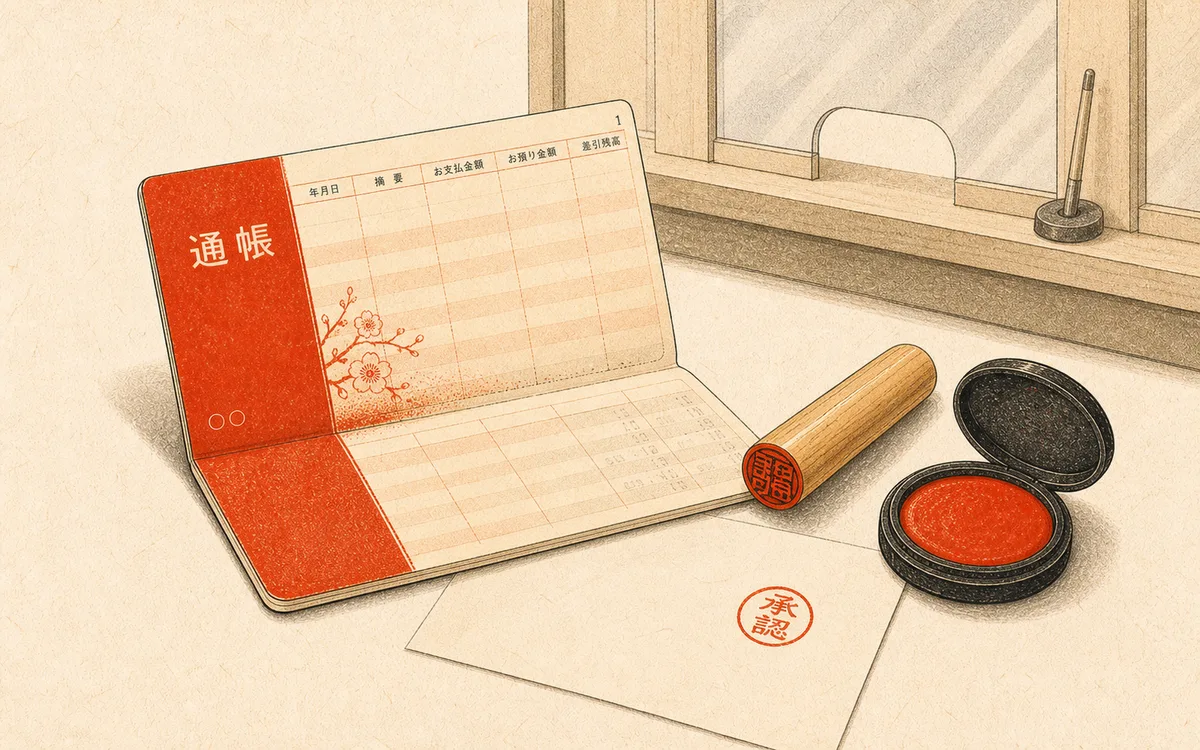
Short answer: open a Japan Post Bank (ゆうちょ) account in your first weeks, because it’s the one that reliably says yes to new arrivals [VERIFY current sub-6-month policy]. Then add a bank you actually like (Sony Bank or SBI Shinsei) once you pass the six-month mark. And when you move your savings over from home, don’t wire it through your home bank. More on that below.
That’s the whole strategy. The rest of this guide is why, and how not to get turned away at the counter.
[EGE: 2-3 sentences on your own first attempt. Which bank, what happened, how long it took. This paragraph carries the page.]
Why do banks refuse new arrivals?
Japan’s foreign-exchange rules treat residents of less than six months as “non-residents,” which limits what kind of account a bank can open for you [VERIFY exact legal framing]. Some banks respond by just saying no until month six. Others open restricted accounts. Nobody explains this at the counter, which is how you end up with a rejected application and no idea why.
Three things soften the rules:
- Japan Post Bank has historically opened restricted accounts for sub-6-month residents. No international remittance until month six, but salary and rent work fine [VERIFY current policy].
- A letter from a known employer changes the mood at any counter. Bring one if you have one.
- Time. At six months, most doors open.
Which bank should you actually pick?
| Bank | New arrivals (<6 months) | English | Best for |
|---|---|---|---|
| Japan Post Bank (ゆうちょ) | Historically yes, restricted [VERIFY] | Counter: no. Some forms: yes | First account, day one |
| Sony Bank | Usually 6 months+ [VERIFY] | Full English app | The account you’ll keep |
| SBI Shinsei | Case-by-case [VERIFY] | English online banking | English-first everyday use |
| Prestia (SMBC Trust) | Yes, built for expats | Everything, even phone support | People who’ll pay for comfort |
| Rakuten Bank | 6 months+ typical [VERIFY] | Japanese only | Rakuten-point devotees |
Japan Post Bank, the one that says yes
Branches everywhere, tolerant of new residents, and every employer accepts it for salary. The app is Japanese-first and looks like it was designed in a different decade, because it was. You’re not marrying it. You’re getting paid through it.
[EGE: did you use JP Bank? Anything surprising at the counter?]
Sony Bank, the one you’ll keep
Fully English app and web banking, decent multi-currency accounts, plays well with foreign cards. Stricter about how long you’ve been in the country [VERIFY], which is why it’s the month-six upgrade rather than the day-one account.
SBI Shinsei, the old expat default
Every Japan guide from the 2010s recommends Shinsei, and the core reasons still hold: English online banking, no-fee tiers, konbini ATM access. Requirements have tightened since those guides were written [VERIFY current new-resident policy], so treat the old “walk in with a passport” stories as history.
Prestia, English everything for a fee
The only bank where the entire experience works in English, including calling a human. You pay monthly fees unless you park a serious balance [VERIFY current fee/waiver]. Worth it for some people. Most of us make do with Sony plus a translation app.
What documents decide the outcome?
- Residence card (在留カード) with your address on it. Do the city-hall move-in registration first; the address goes on the back of the card. No address, no account.
- A Japanese phone number. This is why phone is KIT-01 and bank is KIT-02. The order isn’t decorative.
- A hanko, maybe. Many banks dropped the requirement, but a ¥1,000 stamp from any hanko shop removes a failure mode at the traditional ones. Cheapest insurance you’ll ever buy in Japan.
- Your katakana name, decided once. Pick a spelling and use it identically at the bank, your employer, and every utility. Mismatched katakana causes transfers to silently fail months later, and nobody will tell you why.
[EGE: one first-person aside. For example the katakana spelling you chose and any mismatch headache, or the hanko shop experience. 1-2 sentences, conversational.]
How do you get your savings into the new account?
Not through your home bank. A SWIFT wire into Japan gets clipped three separate times: sending fees, correspondent-bank fees, and a bad exchange rate.
We use Wise instead. It converts at the actual mid-market rate, shows the full fee before you commit, and the money lands in your Japanese account as a domestic transfer, so nothing gets clipped on arrival.
[AFFILIATE-LINK: Wise, insert after program approval]
[EGE: your real first transfer. Amount band, the fee Wise showed, how long it took, what your bank would have charged. Screenshot of the fee breakdown if you’re comfortable. This is the paragraph that converts, and it has to be real.]
The order of operations
- Register your address at city hall (first 14 days)
- Get a phone number (KIT-01)
- Open the tolerant bank account, upgrade later
- Set up Wise for the money from home (KIT-03)
Two accounts is a fine end state: the day-one account for salary, the month-six account for banking you don’t resent.
Common questions
Can I open an account before arriving in Japan? No. Everything here needs a residence card, which you get at immigration and city hall. Tourist visas don’t qualify for any of it.
Do I really need a hanko? Increasingly no. But it’s ¥1,000, and the day a bank or landlord asks for one, you’ll be glad it’s in your bag.
Can’t I just use Wise or Revolut instead of a Japanese bank? They sit alongside a bank, not in place of one. Salary lands in a Japanese account; rent and utilities pull from one. See Wise vs Revolut in Japan for what each is actually for.
Last thing: photocopy your residence card before you hand it to anyone. You’ll need the copy sooner than you think.
THE KIT / FREE
Get the Japan Starter Kit checklist
Every step of your first 90 days (residence card, phone, bank, internet, money) in one checklist, in the right order. Free, no spam, unsubscribe anytime.